
Overview:
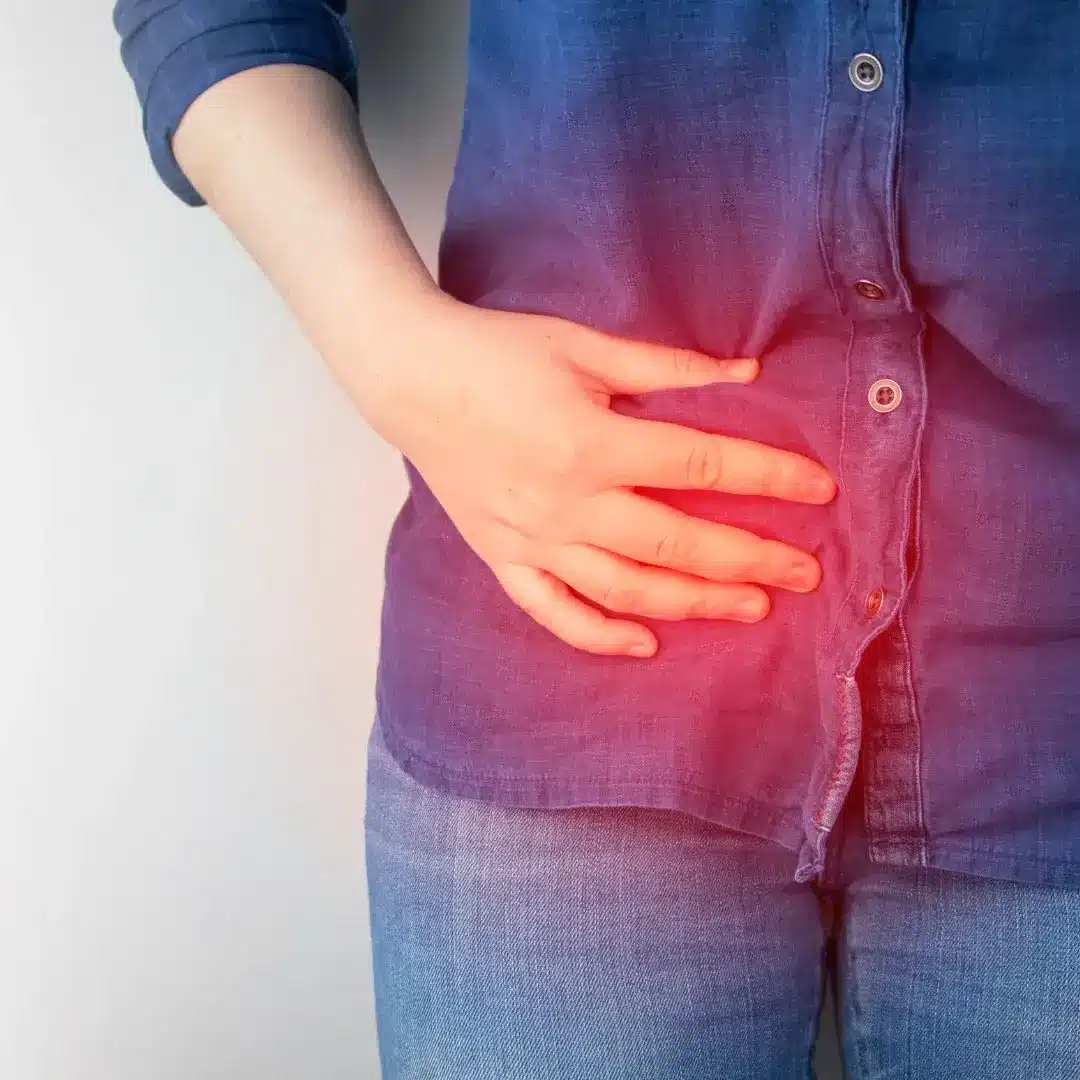
Pelvic girdle pain (PGP) is a common musculoskeletal condition characterised by discomfort or pain in the pelvic region, including the sacroiliac joints, pubic symphysis, and surrounding soft tissues. PGP typically occurs during pregnancy due to hormonal changes, increased joint laxity, and altered biomechanics, although it can also affect individuals outside of pregnancy.
Anatomy:
The pelvis comprises various bones, including the sacrum, ilium, ischium, and pubic bones, which articulate at the sacroiliac joints and pubic symphysis. During pregnancy, hormonal fluctuations, particularly elevated levels of relaxation, soften the ligaments and cartilage surrounding these joints, allowing for increased mobility and accommodation of foetal growth.
Causes:
Pelvic girdle pain can be attributed to multiple factors, including:
- Pregnancy-related changes: Hormonal fluctuations, increased weight, and altered posture during pregnancy can place additional stress on the pelvic joints and ligaments, leading to joint instability and pain.
- Poor biomechanics: Inefficient movement patterns, such as asymmetrical weight distribution or excessive pelvic tilt, can contribute to pelvic joint dysfunction and exacerbate PGP symptoms.
- Previous pelvic trauma: History of pelvic injuries or repetitive stress on the pelvis, such as from high-impact activities or accidents, may predispose individuals to PGP by weakening the pelvic structures.
- Structural abnormalities: Pre-existing conditions affecting pelvic alignment or joint integrity, such as scoliosis or leg length discrepancy, can increase the risk of developing PGP.
Symptoms:
Common signs and symptoms of pelvic girdle pain include:
- Pelvic pain: Dull, aching, or sharp discomfort in the pelvic area, lower back, buttocks, hips, or thighs, exacerbated by weight-bearing activities, prolonged sitting or standing, and changes in position.
- Difficulty with mobility: Impaired ability to walk, climb stairs, or perform activities that require hip or pelvic movement, accompanied by stiffness or muscle weakness.
- Painful movements: Discomfort or sharp pain during movements such as getting in and out of bed, rolling over, or spreading the legs, due to increased strain on the pelvic joints.
- Pelvic instability: Feeling of “giving way” or instability in the pelvis, particularly when transitioning between positions or standing on one leg.
Diagnosis and Tests:
Diagnosing pelvic girdle pain typically involves:
- Medical history and physical examination: Healthcare providers assess symptoms, medical history, and conduct a physical examination to evaluate pelvic alignment, range of motion, and tenderness around the sacroiliac joints and pubic symphysis.
- Pelvic imaging: X-rays, ultrasound, or MRI scans may be ordered to visualise the pelvic joints, assess for any structural abnormalities or signs of joint inflammation, and rule out other underlying conditions contributing to pelvic pain.
Management and Treatment:
Management and treatment options for pelvic girdle pain aim to alleviate symptoms, improve pelvic stability, and enhance functional mobility. Treatment strategies may include:
- Pelvic support: Wearing supportive garments, pelvic support belts, or maternity belts to stabilise the pelvic joints, relieve pressure on the sacroiliac joints and pubic symphysis, and reduce pain during weight-bearing activities.
- Exercise rehabilitation: Engaging in specialised exercises and manual therapy techniques under the guidance of your practitioner to strengthen the pelvic floor muscles, improve core stability, and promote optimal pelvic alignment.
- Managing symptoms between sessions: Heat or cold therapy, pacing your activity, and support garments can help settle pelvic pain day to day.
- Modified activities: Avoiding high-impact or strenuous activities that exacerbate pelvic pain, and adopting proper body mechanics and ergonomic strategies to minimise stress on the pelvic joints.
- Medication and injection-based options: These sit outside a chiropractor’s scope of practice. If pain is limiting your sleep or stopping you starting rehabilitation, that is worth discussing with your GP rather than self-prescribing long term.
Three exercises for pelvic girdle pain
These three were put together by our practitioners as a starting point. They are general exercises, not a personalised program.
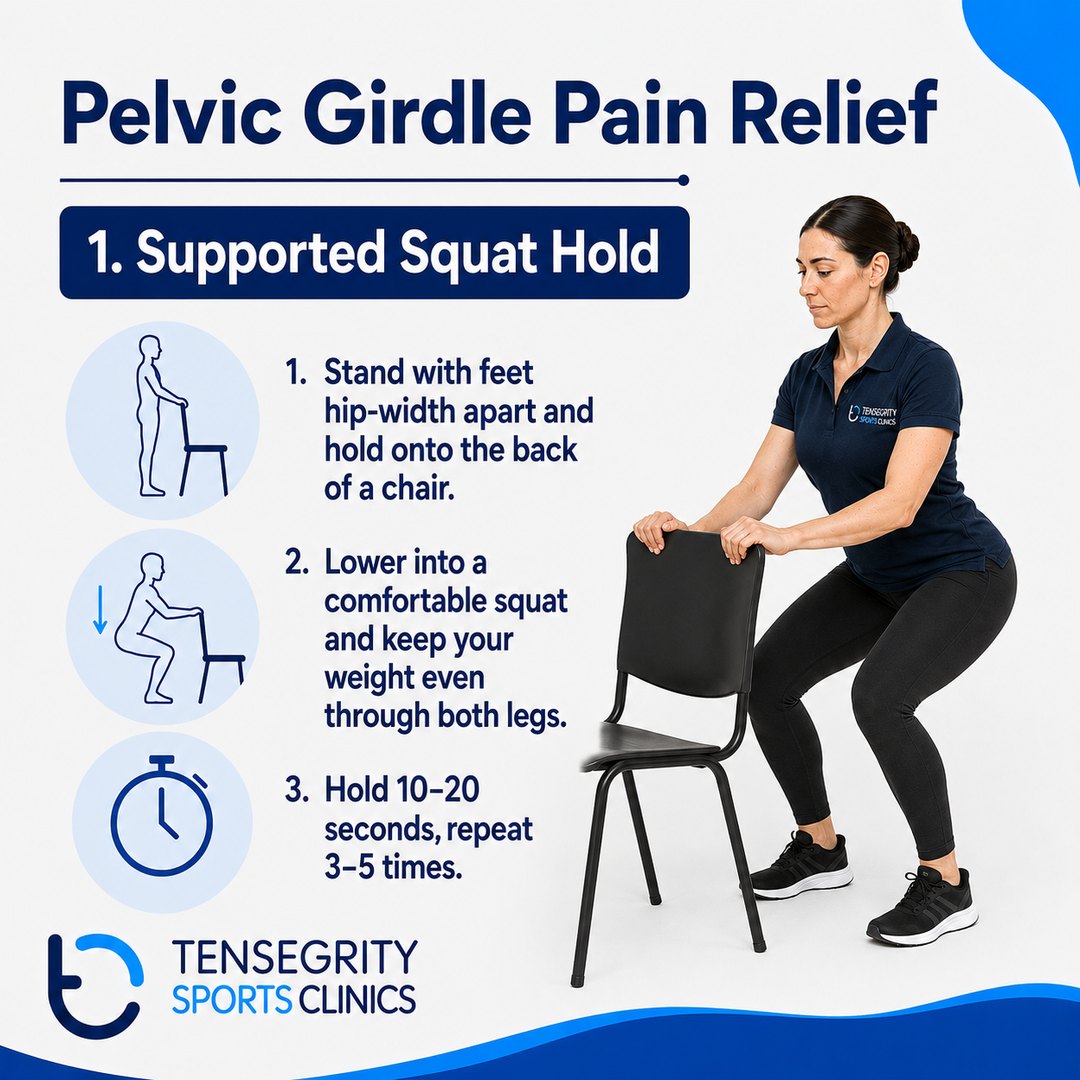
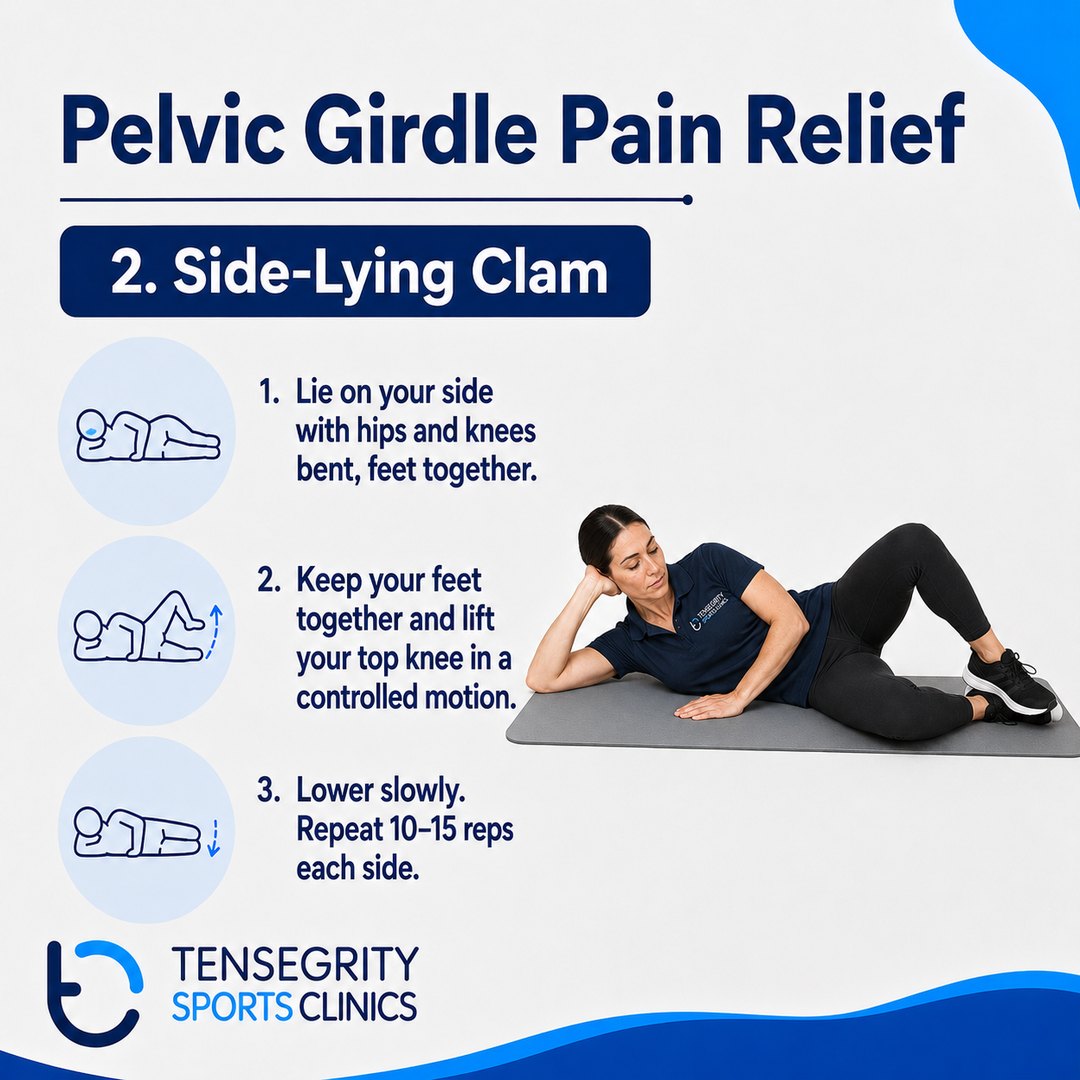
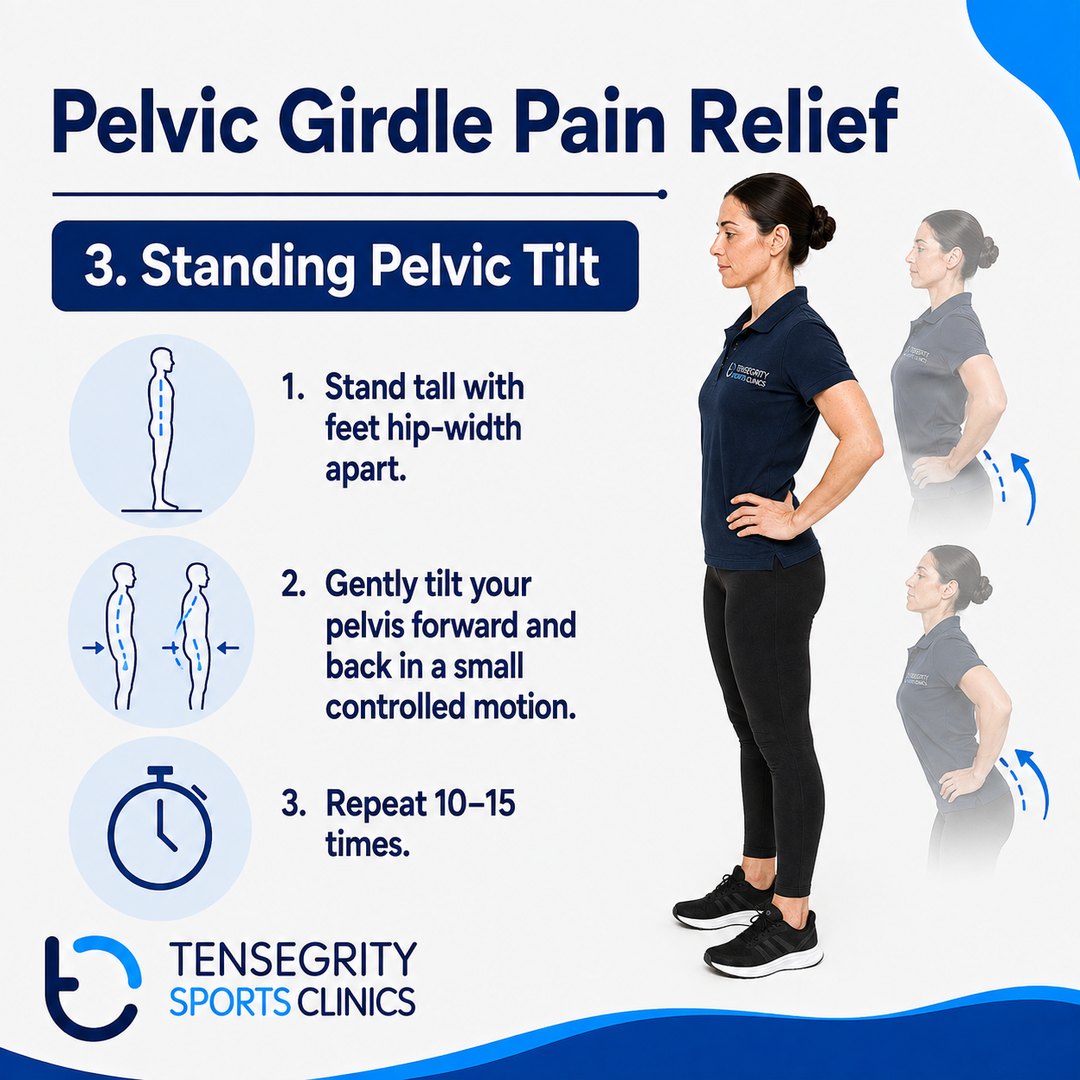
If the pelvic pain is not settling, or it is limiting walking, stairs or sleep, book an assessment so the loading can be matched to what your pelvis can currently handle.
What our practitioners recommend:
These are the items our practitioners most often suggest for pelvic girdle pain between appointments. They support your rehabilitation. They do not replace assessment, and what suits you depends on your presentation.
- Postpartum support belt. Pelvic support belts are one of the more commonly used aids in pelvic girdle pain. Fit and position matter, so have it checked.
- Swiss ball. Used for the pelvic control exercises set as part of your program.
As an Amazon Associate I earn from qualifying purchases. We may earn a commission on these links. Our recommendations are based on clinical judgement and are not influenced by commission.
Prevention:
Preventive measures to reduce the risk of pelvic girdle pain include:
- Maintaining a healthy weight: Achieving and maintaining a healthy body weight can reduce excess strain on the pelvic joints and ligaments, promoting pelvic stability and minimising discomfort.
- Practising safe exercise techniques: Incorporating low-impact exercises, such as swimming, stationary cycling, or prenatal yoga, can help improve muscle strength and flexibility without placing undue stress on the pelvis.
- Using supportive equipment: Utilising ergonomic seating, supportive footwear, and assistive devices to minimise pelvic strain during daily activities and promote optimal pelvic alignment.
Outlook / Prognosis:
The outlook for individuals with pelvic girdle pain depends on various factors, including the severity of symptoms, underlying causes, and effectiveness of treatment interventions. With appropriate management strategies, most individuals experience symptom relief and improved pelvic function over time. However, some cases of PGP may persist or worsen, necessitating ongoing management and support to enhance quality of life.
Living With:
Living with pelvic girdle pain involves implementing practical strategies to manage symptoms, optimise pelvic stability, and support overall well-being. By adhering to treatment recommendations, practising self-care techniques, and seeking appropriate medical guidance, individuals with PGP can effectively manage their condition and achieve improved pelvic health.