

Overview:
Whiplash is a type of neck injury caused by a sudden back-and-forth movement of the neck, resembling the cracking of a whip. It commonly occurs during rear-end car accidents but can also result from sports injuries, physical assaults, or amusement park rides. Whiplash can lead to pain, stiffness, and reduced mobility in the neck, affecting daily activities and quality of life.
Anatomy:
The neck, or cervical spine, consists of seven vertebrae supported by ligaments, tendons, and muscles. Whiplash occurs when the head is forcefully jerked backward and then forward, causing hyperextension and hyperflexion of the neck. This sudden movement can strain or tear the soft tissues in the neck, leading to inflammation and discomfort.
Causes:
Whiplash typically occurs due to rapid acceleration-deceleration forces, commonly seen in:
- Motor vehicle accidents: Rear-end collisions are a frequent cause of whiplash, as the impact forces the head and neck to abruptly move backward and then forward.
- Sports injuries: Contact sports such as football, rugby, or hockey may result in whiplash injuries, especially when players experience sudden impacts or collisions.
- Physical assaults: Punches, blows, or falls that forcefully jolt the head and neck can cause whiplash injuries.
- Amusement park rides: Sudden stops or jarring movements on amusement park rides can also lead to whiplash, particularly in roller coasters or bumper cars.
Symptoms:
Common symptoms of whiplash may include:
- Neck pain: Dull, aching, or sharp pain in the neck area, which may worsen with movement or certain positions.
- Stiffness: Difficulty moving the neck or turning the head, accompanied by a sensation of tightness or discomfort.
- Headaches: Tension headaches or cervicogenic headaches originating from the neck, often accompanied by neck pain and muscle tension.
- Shoulder pain: Discomfort or tenderness in the shoulders, often radiating from the neck.
- Restricted range of motion: Limited ability to move the neck or perform daily activities such as driving, reading, or working at a computer.
- Muscle spasms: Involuntary muscle contractions or spasms in the neck and upper back, leading to increased pain and restricted movement.
Diagnosis and Tests:
Diagnosis of whiplash involves a thorough evaluation by a healthcare provider, including a medical history, physical examination, and assessment of symptoms. Diagnostic tests such as X-rays, MRI, or CT scans may be ordered to rule out other underlying conditions and confirm the diagnosis of whiplash.
Treatment:
Treatment options for whiplash may include:
- Rest: Allowing the neck muscles time to rest and recover by avoiding activities that exacerbate pain or strain.
- Ice or heat therapy: Applying ice packs or heating pads to the neck area can help reduce inflammation, alleviate pain, and promote relaxation of the muscles.
- Exercise rehabilitation: A structured program of therapeutic exercises, stretching, and manual therapy techniques can help improve neck muscle strength, flexibility, and range of motion.
- Neck brace or collar: Using a soft cervical collar or neck brace may provide support and stability for the neck, reducing strain on the muscles and facilitating healing.
- Medication and injection-based options. These sit outside a chiropractor’s scope of practice. If pain is limiting your sleep or stopping you starting rehabilitation, that is worth discussing with your GP rather than self-prescribing long term.
Three exercises for whiplash
These three were put together by our practitioners as a starting point. They are general exercises, not a personalised program. Move only within a comfortable range.
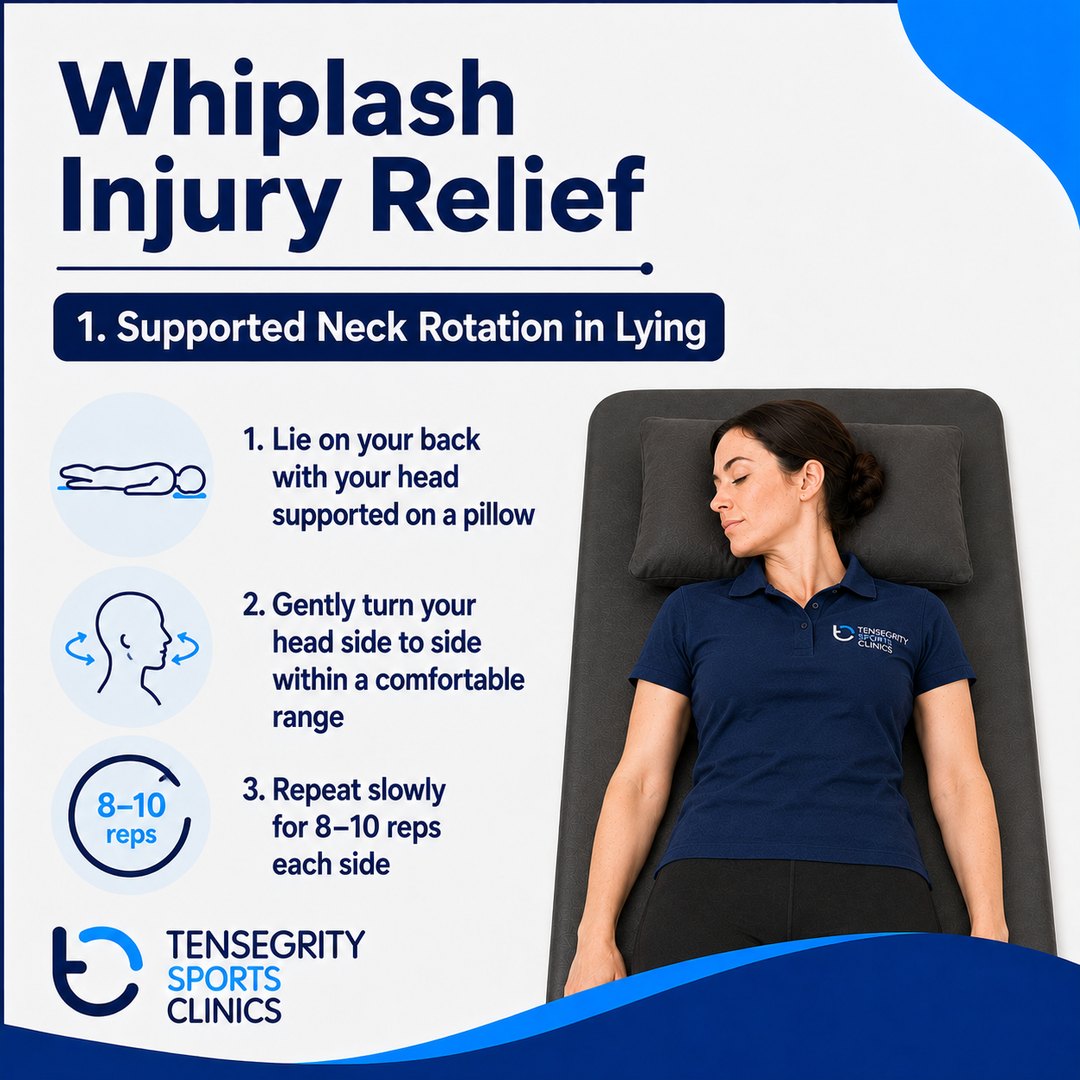
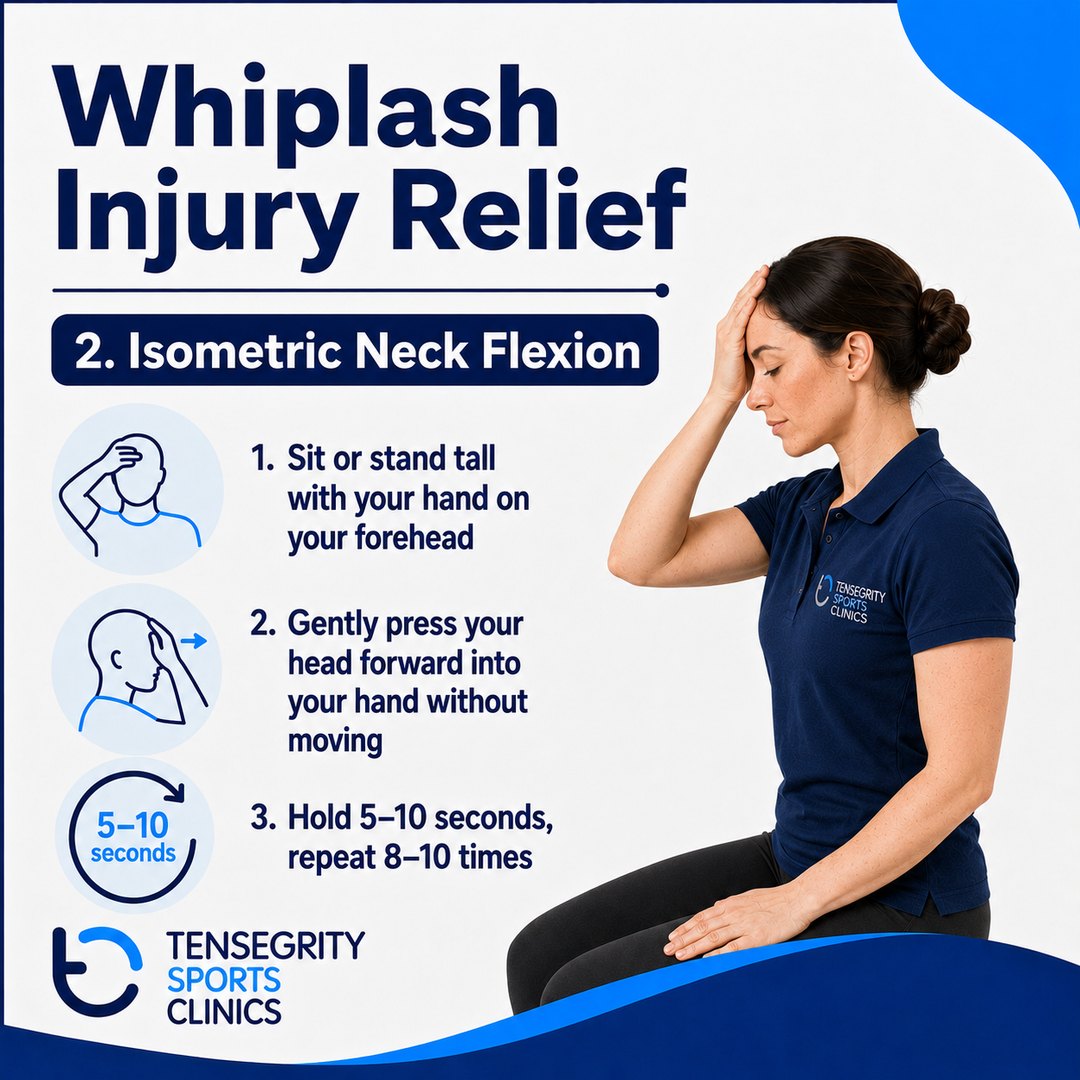
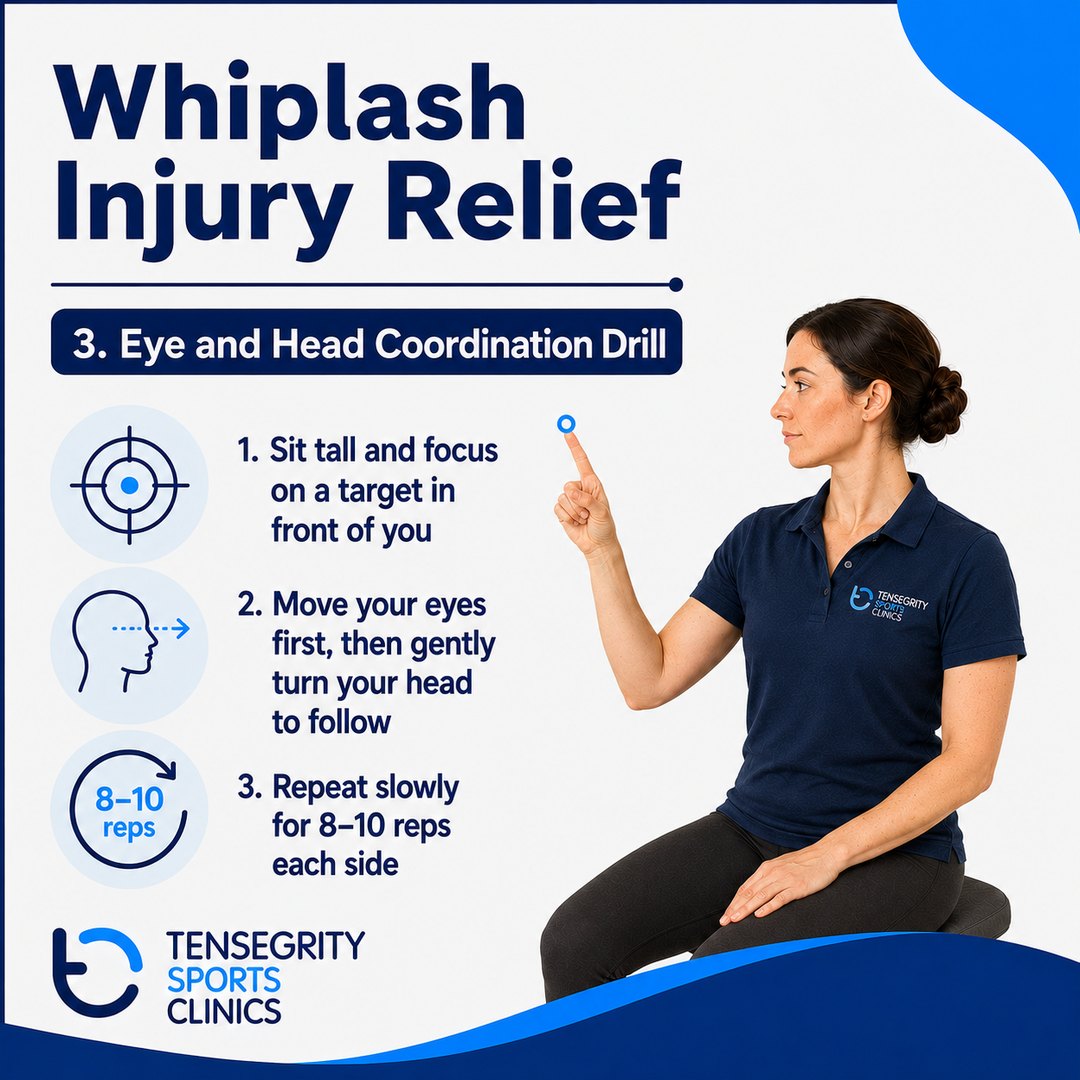
If the neck is not settling, or the pain is limiting your work or daily activity, book an assessment so the loading can be matched to what your neck can currently handle.
What our practitioners recommend:
These are the items our practitioners most often suggest for whiplash between appointments. They support your rehabilitation. They do not replace assessment, and what suits you depends on your presentation.
- Contoured cervical pillow. Sleep is often the hardest part early on, and pillow support is the practical starting point.
- Microwavable heat pack. Heat is commonly used once the first days have passed and guarding is the main issue.
As an Amazon Associate I earn from qualifying purchases. We may earn a commission on these links. Our recommendations are based on clinical judgement and are not influenced by commission.
Prevention:
Preventive measures for whiplash may include:
- Proper seat belt use: Wearing seatbelts correctly and ensuring proper headrest positioning in vehicles can minimise the risk of whiplash during car accidents.
- Sports safety: Using appropriate protective gear and following safety guidelines during sports activities can reduce the risk of whiplash injuries.
- Ergonomic adjustments: Ensuring proper workstation setup, using supportive chairs, pillows, or neck rests, and taking regular breaks from prolonged sitting or computer use can prevent neck strain and reduce the risk of whiplash.
Outlook / Prognosis:
The outlook for whiplash is generally favourable, with most individuals experiencing significant improvement in symptoms within a few weeks to months with conservative treatment measures. By following recommended therapies, adopting preventive measures, and practising self-care strategies, individuals can effectively manage whiplash, prevent recurrent injuries, and maintain a healthy and functional neck.
Living With:
Individuals living with whiplash should work closely with healthcare providers to develop a personalised treatment plan tailored to their specific needs and goals. By adhering to treatment recommendations, practising preventive measures, and incorporating neck-strengthening exercises into their routine, individuals can reduce the risk of recurrent injuries, improve neck health, and enhance overall quality of life. Regular follow-up appointments and ongoing monitoring are essential for long-term management and prevention of whiplash complications.