

Overview:
Neck stiffness and tightness refer to sensations of discomfort, tension, or reduced mobility in the cervical spine region, often accompanied by muscle stiffness and limited range of motion. These symptoms can arise from various causes and may affect individuals of all ages, leading to discomfort and functional limitations in daily activities.
Anatomy:
The neck, or cervical spine, consists of seven vertebrae (C1-C7) separated by intervertebral discs, supported by muscles, ligaments, and tendons. Proper alignment and coordination of these structures are essential for maintaining stability, flexibility, and range of motion in the neck.
Causes:
Neck stiffness and tightness can result from a range of factors, including:
- Muscle strain or tension: Overuse, poor posture, repetitive movements, or sudden jerking motions can strain the muscles of the neck, leading to stiffness and tightness.
- Poor ergonomics: Prolonged sitting, improper workstation setup, or inadequate neck support during activities can contribute to muscle fatigue and discomfort.
- Degenerative changes: Age-related wear and tear, osteoarthritis, or degenerative disc disease in the cervical spine can cause stiffness and reduced flexibility.
- Injury or trauma: Whiplash injuries, falls, or direct blows to the neck can damage soft tissues, resulting in inflammation, muscle spasm, and stiffness.
- Psychological factors: Stress, anxiety, or tension can manifest as physical symptoms, including neck stiffness and tightness, due to muscle tension and heightened sensitivity to pain.
Symptoms:
Common symptoms of neck stiffness and tightness may include:
- Sensations of stiffness, tension, or soreness in the neck region.
- Difficulty or discomfort when turning the head from side to side or tilting it forward or backward.
- Muscle spasms or knots in the neck muscles, contributing to stiffness and restricted movement.
- Headaches, particularly tension headaches, arising from muscle tension and strain in the neck and upper back.
Diagnosis and Tests:
Diagnosis of neck stiffness and tightness involves a comprehensive evaluation by a healthcare provider, including a medical history, physical examination, and assessment of symptoms. Diagnostic tests such as X-rays, MRI, or CT scans may be ordered to rule out underlying structural abnormalities or pathology.
Treatment:
Treatment options for neck stiffness and tightness may include:
- Exercise rehabilitation: A structured program of therapeutic exercises, manual therapy techniques, and postural correction can improve flexibility, strength, and range of motion in the neck and upper back.
- Massage therapy: Targeted massage techniques, such as deep tissue massage or trigger point therapy, can release muscle tension, improve circulation, and reduce stiffness in the neck and surrounding areas.
- Relaxation techniques: Stress management strategies, relaxation exercises, mindfulness practices, or breathing techniques can help reduce muscle tension, promote relaxation, and alleviate symptoms of neck stiffness and tightness.
- Medication and injection-based options. These sit outside a chiropractor’s scope of practice. If pain is limiting your sleep or stopping you starting rehabilitation, that is worth discussing with your GP rather than self-prescribing long term.
Three exercises for neck stiffness
These three were put together by our practitioners as a starting point. They are general exercises, not a personalised program.
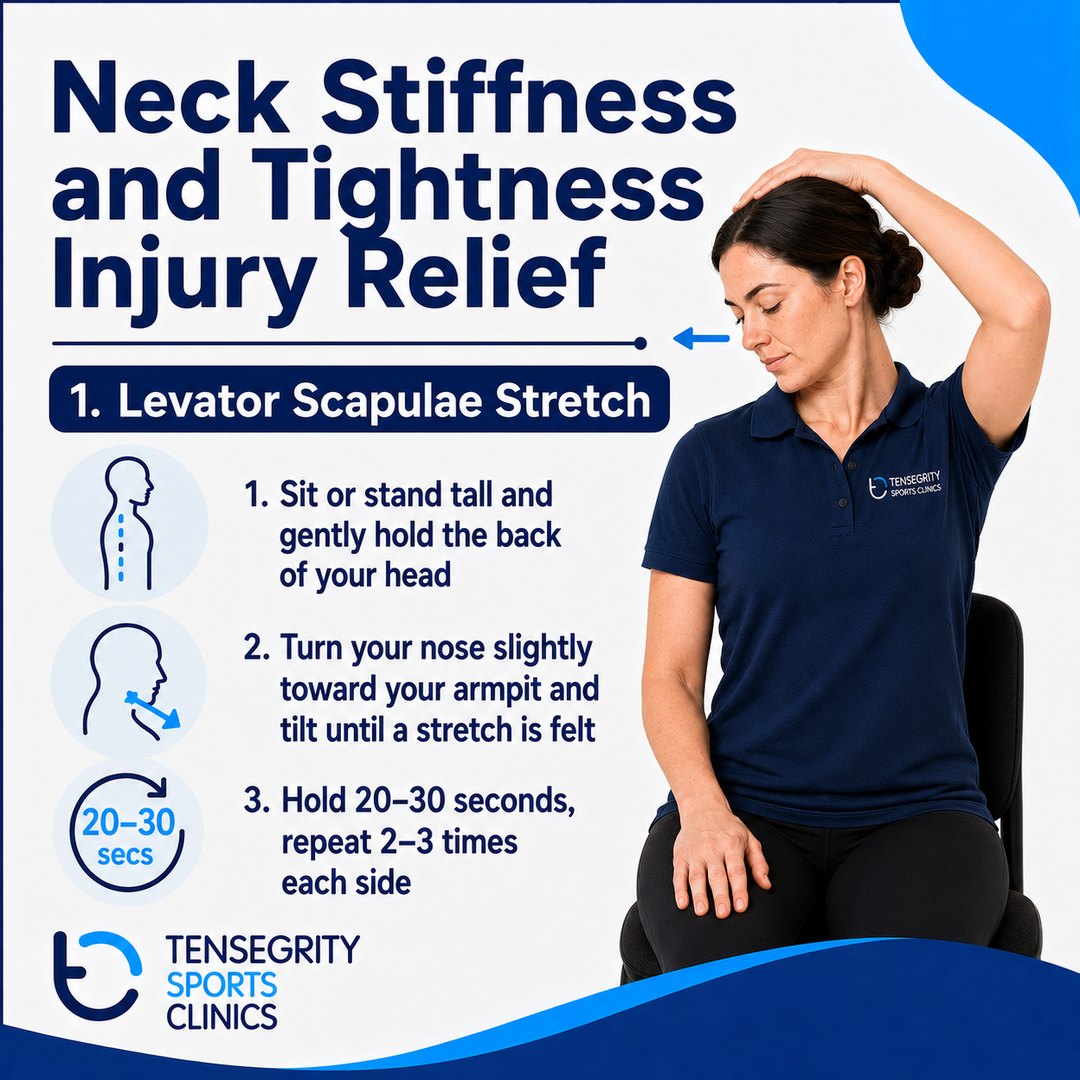
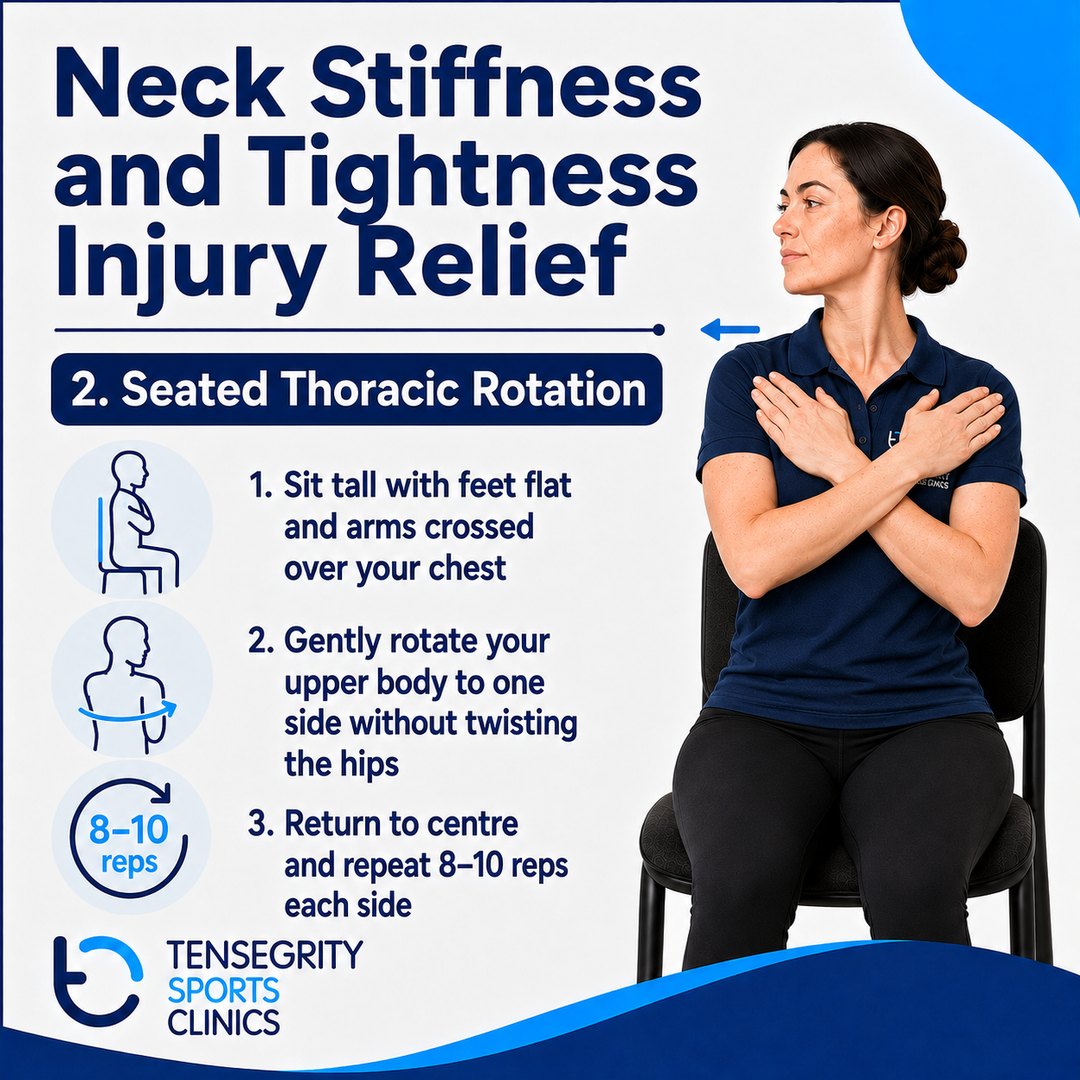
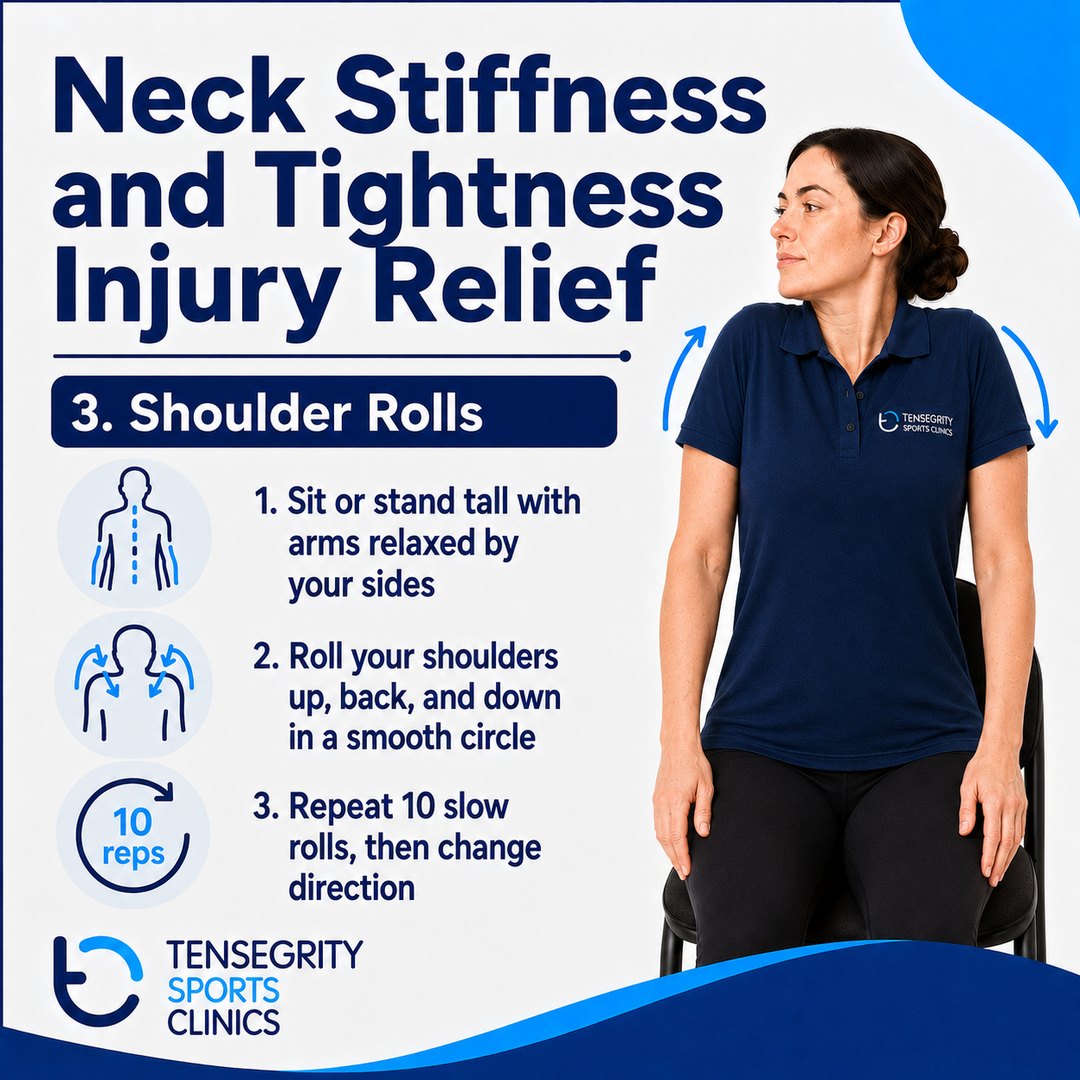
If the neck is not settling, or the pain is limiting your work or daily activity, book an assessment so the loading can be matched to what your neck can currently handle.
What our practitioners recommend:
These are the items our practitioners most often suggest for neck stiffness and tightness between appointments. They support your rehabilitation. They do not replace assessment, and what suits you depends on your presentation.
- Neck and shoulder relaxer. Used for short sessions to work into the upper neck and shoulder region.
- Spikey massage ball. For self massage into the upper trapezius and around the shoulder blade.
- Microwavable heat pack. Heat is commonly used before neck mobility work.
As an Amazon Associate I earn from qualifying purchases. We may earn a commission on these links. Our recommendations are based on clinical judgement and are not influenced by commission.
Prevention:
Preventive measures for neck stiffness and tightness may include:
- Maintaining good posture: Practising proper posture during daily activities, sitting, standing, and sleeping can reduce strain on the neck muscles and prevent stiffness and discomfort.
- Ergonomic adjustments: Ensuring proper workstation setup, using supportive chairs, pillows, or neck rests, and taking regular breaks from prolonged sitting or computer use can minimise muscle strain and promote neck health.
- Regular exercise: Engaging in regular physical activity, including neck and shoulder stretches, strengthening exercises, and aerobic activities, can improve muscle flexibility, strength, and endurance, reducing the risk of stiffness and tightness.
Outlook / Prognosis:
The outlook for neck stiffness and tightness depends on various factors, including the underlying cause, severity of symptoms, and response to treatment. With appropriate management, most individuals can experience significant improvement in symptoms and functional recovery over time.
Living With:
Individuals living with neck stiffness and tightness should work closely with healthcare providers to develop a personalised treatment plan tailored to their specific needs and goals. By following recommended therapies, adopting preventive measures, and practising self-care strategies, individuals can effectively manage symptoms, prevent recurrence, and maintain optimal neck health and function. Regular follow-up appointments and ongoing monitoring are essential for long-term symptom control and management of neck stiffness and tightness.