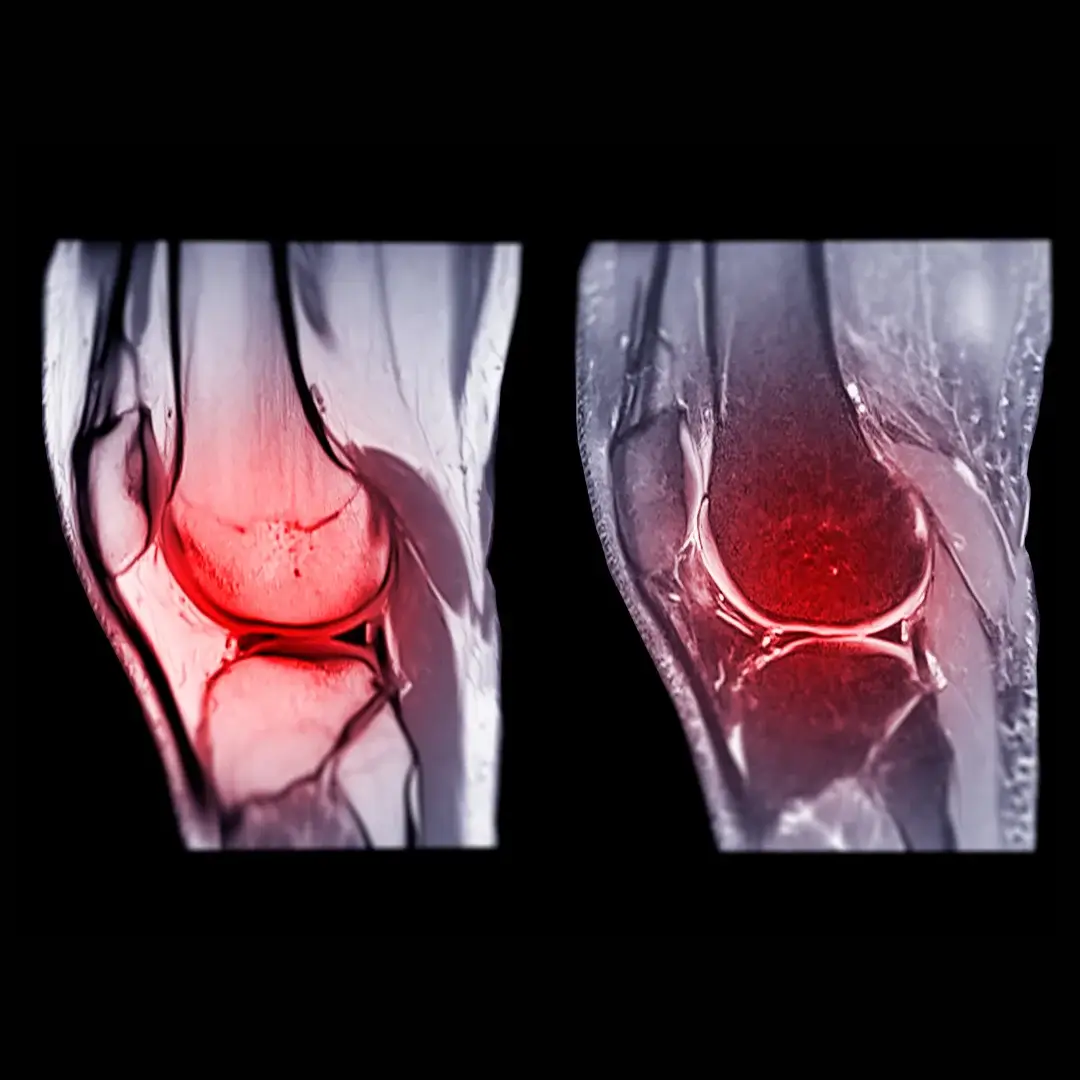

Overview:
An ACL tear, short for anterior cruciate ligament tear, is a common knee injury, particularly among athletes involved in sports that require sudden stops, changes in direction, or jumping. The ACL is one of the major ligaments in the knee, providing stability to the joint and preventing excessive forward movement of the tibia (shin bone) relative to the femur (thigh bone).
Anatomy:
The anterior cruciate ligament (ACL) is located deep within the knee joint and runs diagonally from the back of the femur to the front of the tibia. Along with other ligaments, it helps stabilise the knee and control its range of motion, particularly during activities involving cutting, pivoting, and jumping.
Causes:
ACL tears often occur due to sudden, forceful twisting or hyperextension of the knee joint. Common causes include:
- Sports injuries: ACL tears frequently occur during high-impact sports such as soccer, basketball, football, skiing, and gymnastics, where athletes may experience rapid changes in direction or direct blows to the knee.
- Non-contact injuries: In some cases, ACL tears can occur without direct contact from an external force, such as when landing from a jump or suddenly changing direction.
- Trauma: Motor vehicle accidents, falls, or other traumatic events can also lead to ACL tears, particularly when the knee undergoes significant force or torsion.
Symptoms:
Signs and symptoms of an ACL tear may include:
- Sudden onset of severe pain in the knee.
- Audible “popping” sensation at the time of injury.
- Swelling and bruising around the knee joint, typically developing within a few hours after the injury.
- Difficulty bearing weight on the affected leg and instability while walking or standing.
- Reduced range of motion and discomfort with activities that require bending or straightening the knee.
Diagnosis:
Diagnosing an ACL tear involves a comprehensive evaluation by a healthcare professional, typically including:
- Medical history: Understanding the circumstances of the injury, previous knee problems, and symptoms reported by the individual.
- Physical examination: Assessing knee stability, range of motion, and signs of swelling or tenderness.
- Imaging tests: X-rays may be ordered to rule out associated fractures, while MRI scans can provide detailed images of soft tissues within the knee, including the ACL and other ligaments.
Treatment:
Treatment options for ACL tears depend on the severity of the injury, individual factors such as age and activity level, and the presence of associated knee injuries. Common approaches include:
- Rehabilitation-led management. Suits partial tears and people whose activity does not involve heavy cutting and pivoting. Early management settles swelling and restores knee extension, then the work moves to strength, balance and control through the hip, knee and ankle. Plenty of people return to running, gym work and daily activity this way.
- Surgical reconstruction, then rehabilitation. Where the tear is complete and the demand is high, particularly in sports involving cutting and pivoting, reconstruction is commonly recommended. That decision belongs to an orthopaedic surgeon, made on examination, imaging, your knee’s stability and what you want to return to.
- Rehabilitation either way. This is the part people underestimate. Whichever pathway you take, the outcome is largely determined by the rehabilitation, not by the decision itself. Strength, control and confidence in the knee have to be rebuilt before return to sport is safe.
Rehabilitation:
Rehabilitation plays a crucial role in the recovery process for ACL tears, whether managed conservatively or surgically. Exercise rehabilitation focuses on restoring knee strength, flexibility, and stability, as well as improving balance and proprioception to reduce the risk of future injuries. Rehabilitation programs are typically tailored to the individual’s specific needs, gradually progressing from basic exercises to more challenging activities as knee function improves.
Three exercises for an ACL tear
These three were put together by our practitioners as a starting point. They are general exercises, not a personalised program, and they sit at the early end of ACL rehabilitation. If you have had a reconstruction, follow the program your surgeon and practitioner have set for you.
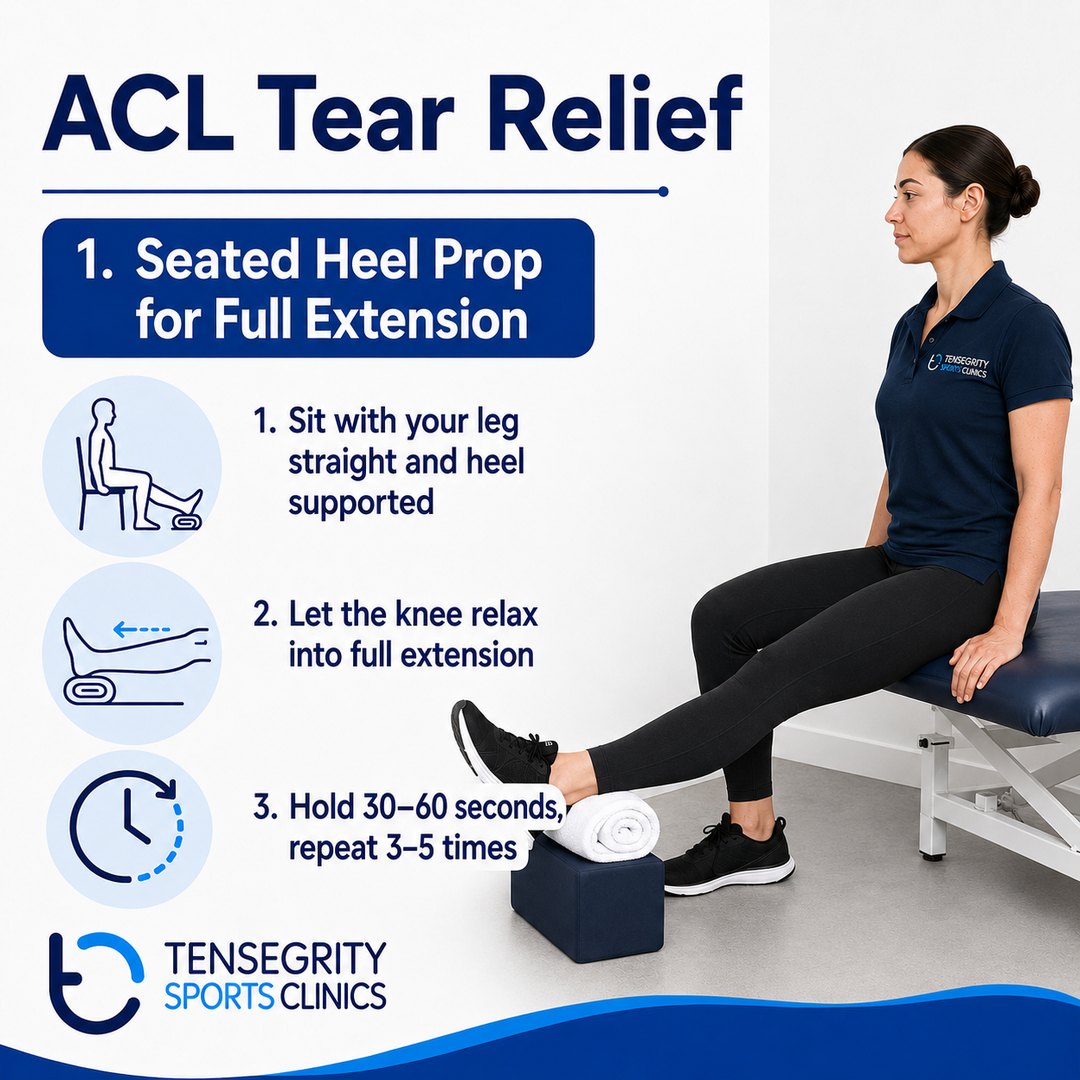
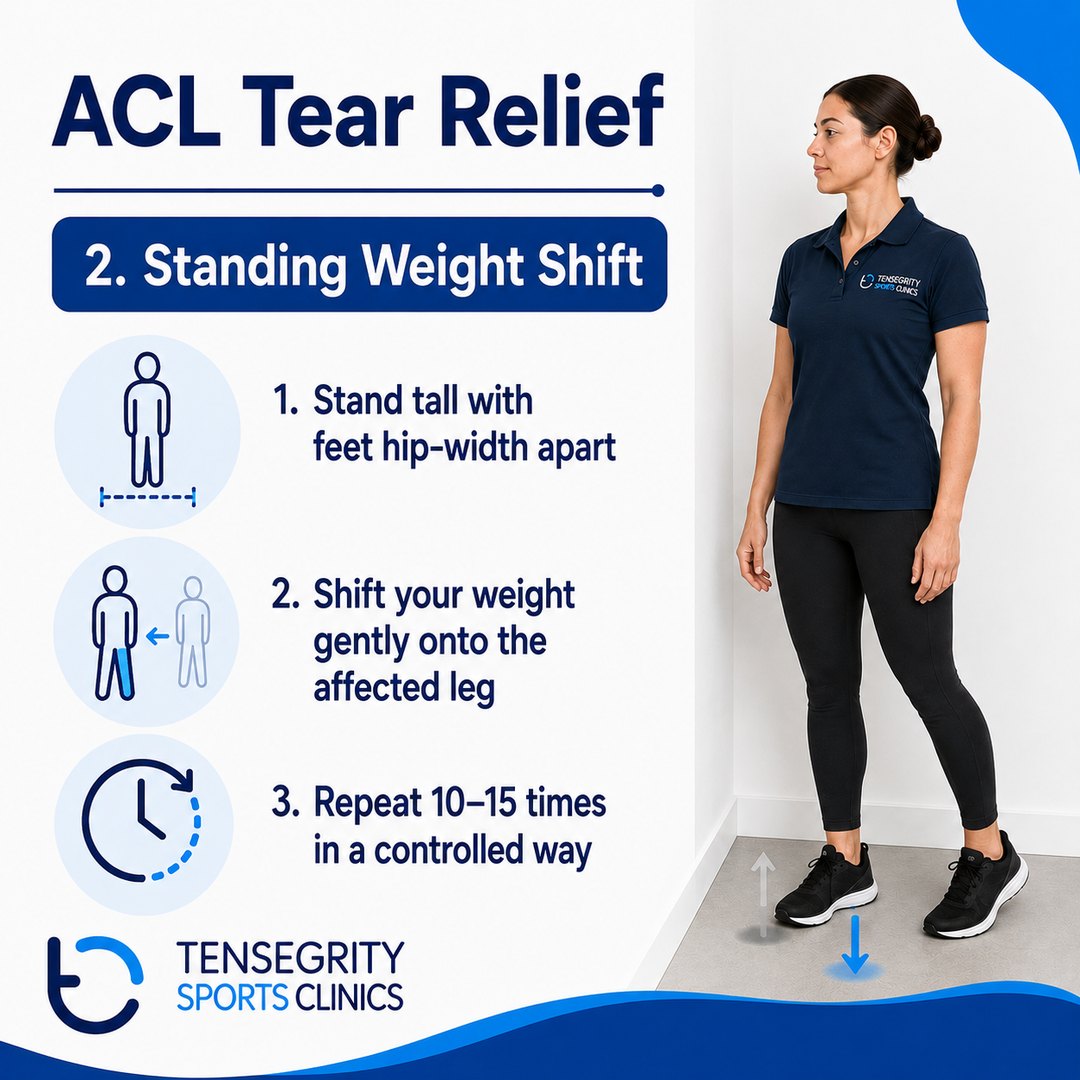
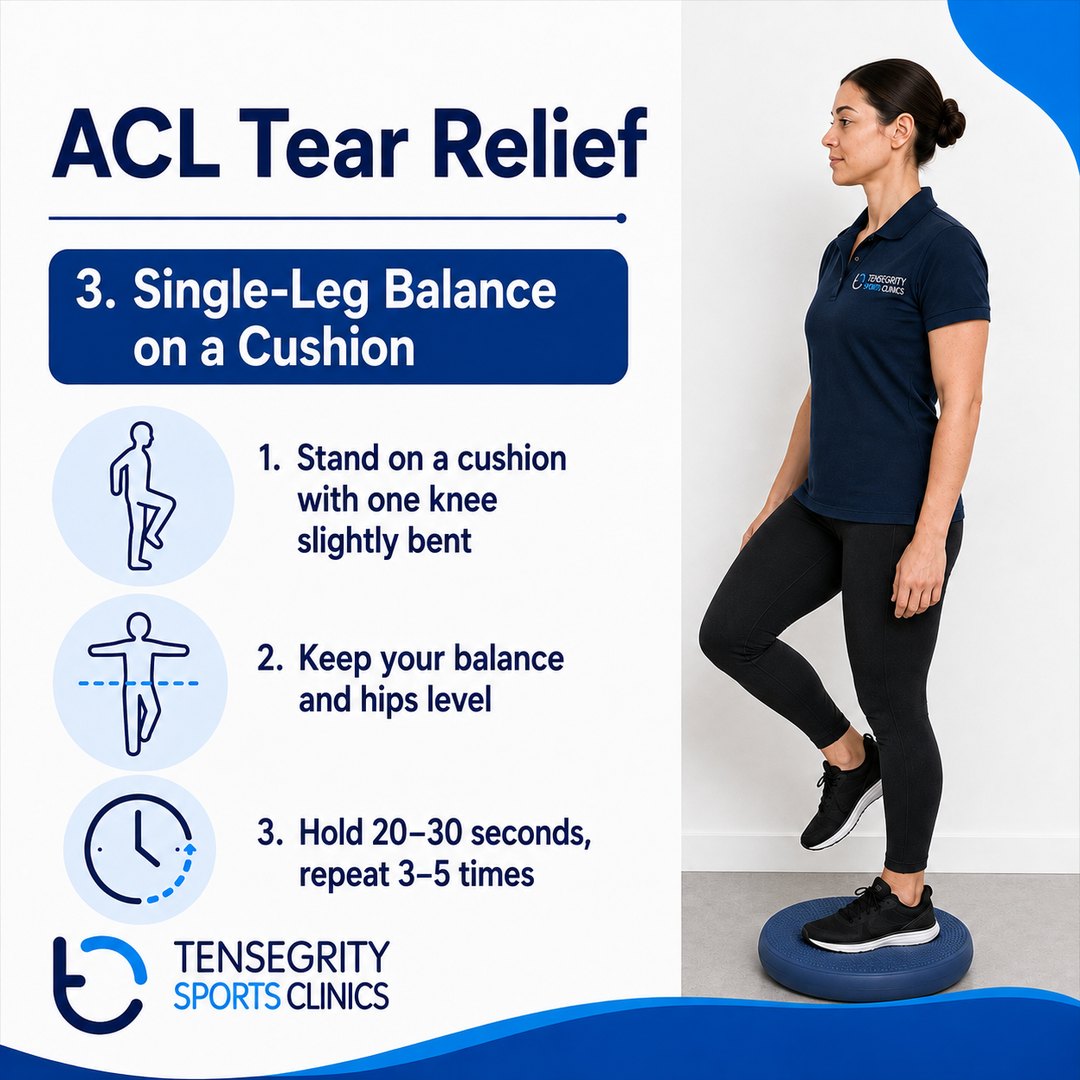
Restoring full knee extension early matters more than most people realise, and balance work is what rebuilds confidence in the knee. Book an assessment so the loading can be matched to your stage of recovery.
What our practitioners recommend:
These are the items our practitioners most often suggest for an ACL tear between appointments. They support your rehabilitation. They do not replace assessment, and what suits you depends on your presentation.
- Wobble board. Balance and proprioception retraining is a long running part of ACL rehabilitation, both before and after surgery.
- Foam balance pad. A softer surface for the earlier stages of single leg balance work.
- Forearm crutches. Only if your practitioner or surgeon has advised crutches during the early phase.
- Reusable gel ice pack. For icing while swelling is being managed.
As an Amazon Associate I earn from qualifying purchases. We may earn a commission on these links. Our recommendations are based on clinical judgement and are not influenced by commission.
Prevention:
While ACL tears cannot always be prevented, certain strategies may help reduce the risk of injury, including:
- Neuromuscular training: Participating in specific exercise programs designed to improve strength, agility, balance, and control of movements can help reduce the risk of ACL tears, particularly among athletes.
- Proper technique: Learning and practising correct movement patterns and landing techniques, particularly in sports involving jumping, cutting, and pivoting, can help minimise stress on the knee joint and reduce the risk of injury.
- Equipment: Wearing appropriate footwear and protective gear, such as knee braces or supportive taping, during sports activities can provide additional stability and help prevent ACL injuries.
Outlook:
The prognosis for individuals with an ACL tear varies depending on factors such as the severity of the injury, treatment approach, rehabilitation efforts, and adherence to activity modifications. While many people can successfully return to their pre-injury level of activity with appropriate treatment and rehabilitation, others may experience persistent knee instability or ongoing symptoms, particularly without surgical intervention. Your practitioner and, where surgery is involved, your surgeon will help you build a plan around your knee and what you want to get back to.