

Overview:
Cervicogenic headache is a type of headache that originates from musculoskeletal issues in the neck or cervical spine. It is characterised by pain that typically begins in the neck and radiates to the head, often affecting one side of the head or face. Understanding the underlying causes and triggers of cervicogenic headaches is essential for effective management and relief of symptoms.
Anatomy:
Cervicogenic headaches arise from dysfunction or irritation of structures in the cervical spine, including vertebrae, intervertebral discs, muscles, ligaments, and nerves. Dysfunction in these structures can lead to referred pain patterns, where pain originating from the neck is perceived in the head or face.
Causes:
Cervicogenic headaches can be triggered by various factors, including:
- Neck injury or trauma: Whiplash injuries, falls, or repetitive strain on the neck muscles can lead to cervicogenic headaches.
- Poor posture: Prolonged sitting, slouching, or maintaining an awkward neck position can strain the muscles and joints of the cervical spine, contributing to headache symptoms.
- Degenerative changes: Osteoarthritis, cervical spondylosis, or degenerative disc disease in the cervical spine can cause structural abnormalities and nerve irritation, resulting in cervicogenic headaches.
- Muscle tension: Chronic muscle tension or spasms in the neck and shoulder muscles can refer pain to the head, leading to cervicogenic headaches.
- Nerve compression: Compression or irritation of cervical nerves, such as the occipital nerves or upper cervical nerves, can produce headache symptoms.
Symptoms:
Common symptoms of cervicogenic headaches may include:
- Pain localised to the neck, base of the skull, or behind the eyes, often on one side of the head or face.
- Headache worsened by neck movement, sustained postures, or pressure on specific trigger points in the neck or upper back.
- Neck stiffness, reduced range of motion, or muscle tenderness in the cervical spine region.
- Sensitivity to light or noise, nausea, or dizziness, particularly during severe headache episodes.
Diagnosis and Tests:
Diagnosis of cervicogenic headaches involves a thorough evaluation by a healthcare provider, including a medical history, physical examination, and assessment of headache symptoms. Diagnostic tests such as X-rays, MRI, or CT scans may be ordered to rule out other potential causes of headache, such as migraines or tension headaches.
Treatment:
Treatment options for cervicogenic headaches may include:
- Exercise rehabilitation: A targeted program of therapeutic exercises, manual therapy techniques, and postural correction can alleviate muscle tension, improve neck mobility, and reduce headache frequency and intensity.
- Medication and injection-based options. These sit outside a chiropractor’s scope of practice. If pain is limiting your sleep or stopping you starting rehabilitation, that is worth discussing with your GP rather than self-prescribing long term.
Three exercises for cervicogenic headache
These three were put together by our practitioners as a starting point. They are general exercises, not a personalised program.
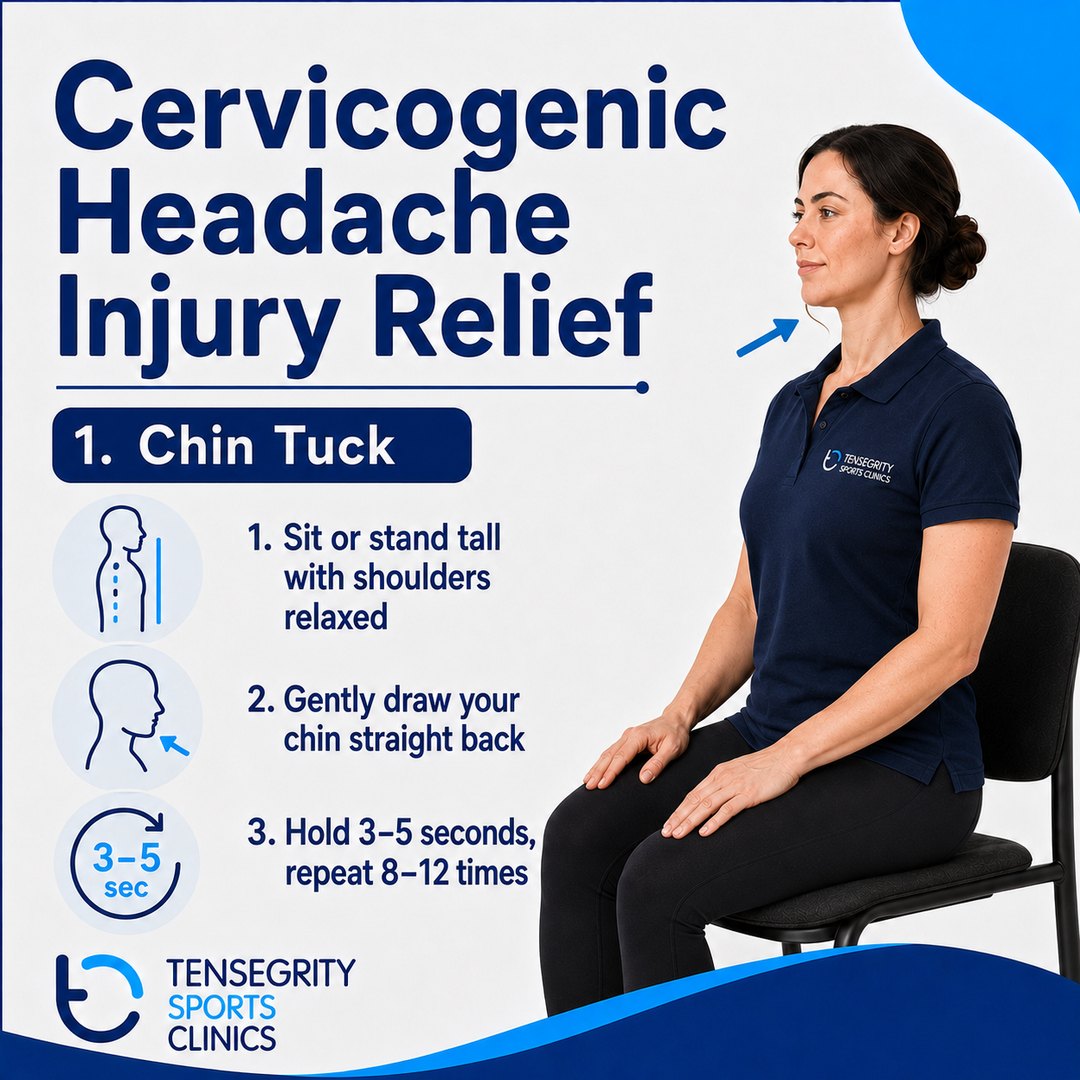
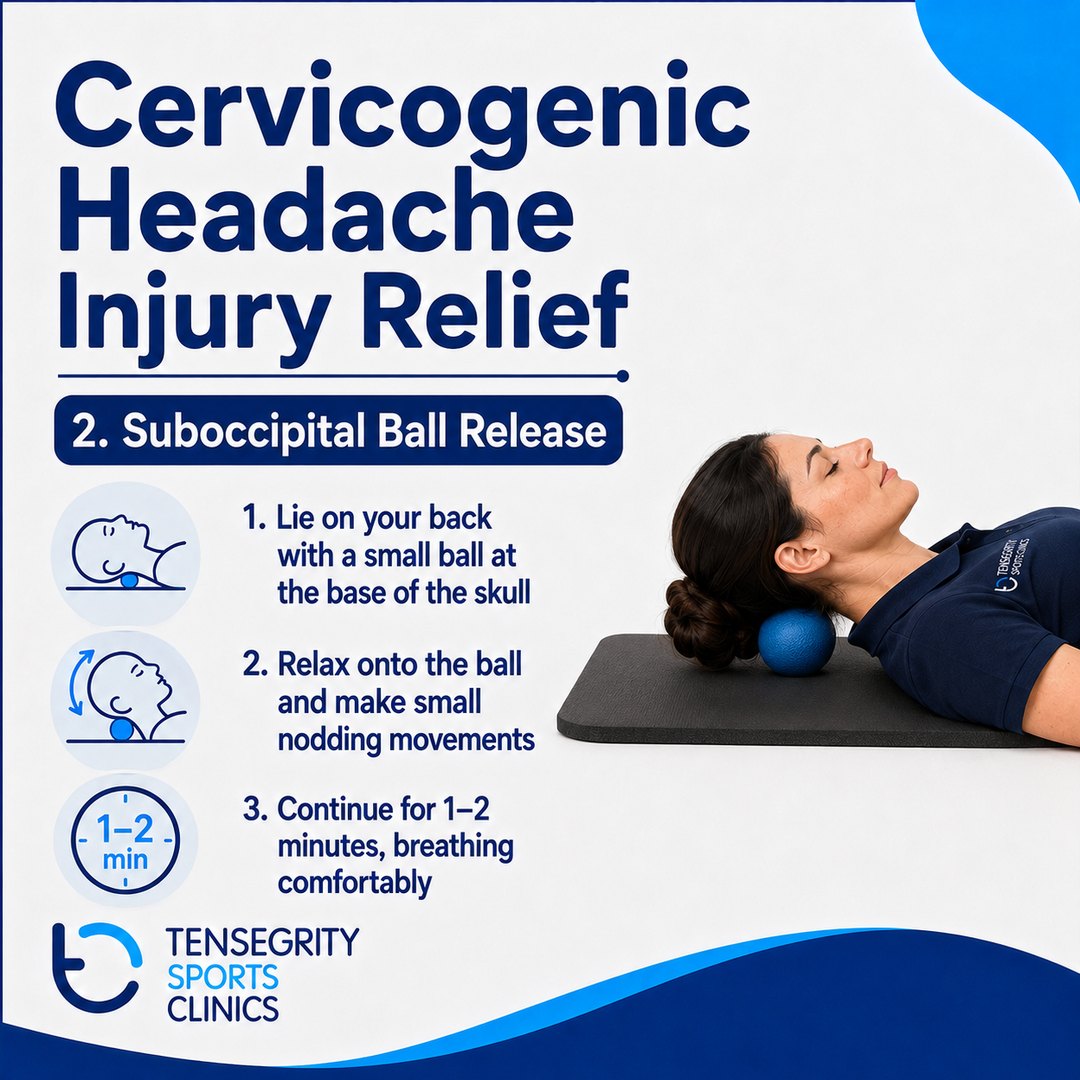

If the headaches are not settling, or they are limiting your work or daily activity, book an assessment so we can check whether the neck is contributing.
What our practitioners recommend:
These are the items our practitioners most often suggest for cervicogenic headache between appointments. They support your rehabilitation. They do not replace assessment, and what suits you depends on your presentation.
- Cervical traction device. Used for short daily sessions where the upper neck is involved. Not suitable for everyone, so ask your practitioner first.
- Contoured cervical pillow. Sleeping position is a frequent contributor where headaches are worse in the morning.
- Neck and shoulder relaxer. For short sessions into the upper neck and suboccipital region.
As an Amazon Associate I earn from qualifying purchases. We may earn a commission on these links. Our recommendations are based on clinical judgement and are not influenced by commission.
Prevention:
Preventive measures for cervicogenic headaches may include:
- Maintaining good posture: Practising proper posture during daily activities, sitting, standing, and sleeping can reduce strain on the neck muscles and minimise headache triggers.
- Stress management: Adopting relaxation techniques, stress reduction strategies, or mindfulness practices can help alleviate muscle tension and prevent headache onset.
- Ergonomic adjustments: Ensuring proper workstation setup, using supportive chairs, pillows, or neck rests, and taking regular breaks from prolonged sitting or computer use can minimise muscle strain and promote neck health.
Outlook / Prognosis:
The outlook for cervicogenic headaches depends on various factors, including the underlying cause, severity of symptoms, and response to treatment. With appropriate management, many individuals can experience significant improvement in headache symptoms and quality of life.
Living With:
Individuals living with cervicogenic headaches should work closely with healthcare providers to develop a personalised treatment plan tailored to their specific needs and goals. By following recommended therapies, adopting preventive measures, and practising self-care strategies, individuals can effectively manage symptoms, reduce headache frequency and intensity, and improve overall neck health and function. Regular follow-up appointments and ongoing monitoring are essential for long-term management and maintenance of cervicogenic headaches.